
Hotelier's Digest #8: Mews transitions, open source PMS questions, and pricing discipline

Most PMS migrations become operational challenges long before they become technical ones. This week has been spent helping a client hotel transition from roomMaster to Mews, and the experience has been a useful reminder that successful system changes are built on far more than a polished software demo. The real work lives in data cleanup, process mapping, staff training, payment workflows, and keeping front desk operations stable while the foundation underneath them shifts. So far, the transition has gone smoothly, thanks in large part to Herbert at Mews, who has been a strong onboarding partner throughout the process.
I will have more to say on these transitions as other properties continue working through roomMaster-related issues. If you would like to compare notes, you can reach out here or learn more about Mews here. This edition stays close to that theme: serious hotel systems, data risk, and the value of commercial discipline.



Featured Analysis
“Why is there no serious open source PMS?”
— Remote Hotelier
That question landed at the right moment. AI tools and vibe-coded prototypes are making it much easier to build software quickly, so it is reasonable to ask why hospitality still lacks a widely adopted open source PMS. The short answer is that a PMS is not just a booking database. It is the operational system of record for rates, inventory, guest identity, payments, folios, housekeeping status, channel connectivity, audit trails, and often local compliance.
That is also why this week felt like a useful reality check. A smooth PMS migration does not happen because the interface looks modern. It happens because the underlying workflows hold up under pressure. From an operator's perspective, that means the more practical near-term opportunity may be to build lightweight tools around a stable PMS rather than pretend the PMS itself is easy to replace. Open APIs matter. Good implementation matters more. Hotels should absolutely experiment. They should just be careful about which layer they are experimenting on.
What This Means: The most meaningful innovation in hospitality technology is increasingly happening around the PMS, not within it. The next wave of progress is likely to come from focused integrations, automations, and workflow tools that extend the capability of stable core systems, rather than attempts to replace them altogether. For operators, the advantage will go to those who strengthen their ecosystem around a reliable foundation, rather than those chasing wholesale system replacement as a default strategy.
Revenue and Commercial Strategy
“When a major branded competitor enters your market, disciplined pricing and clear systems protect your positioning.”
— Four Sides Consulting case study: SKKY Hotel
The case study I wrote for the SKKY Hotel is a useful reminder that commercial strength usually looks calmer than people expect. Over the last decade, the property grew ADR by 84.4 percent and RevPAR by 70.1 percent. More importantly, it maintained premium positioning even after a 132-room Hyatt Place opened in Whitehorse in 2025. That does not happen through reactive discounting.
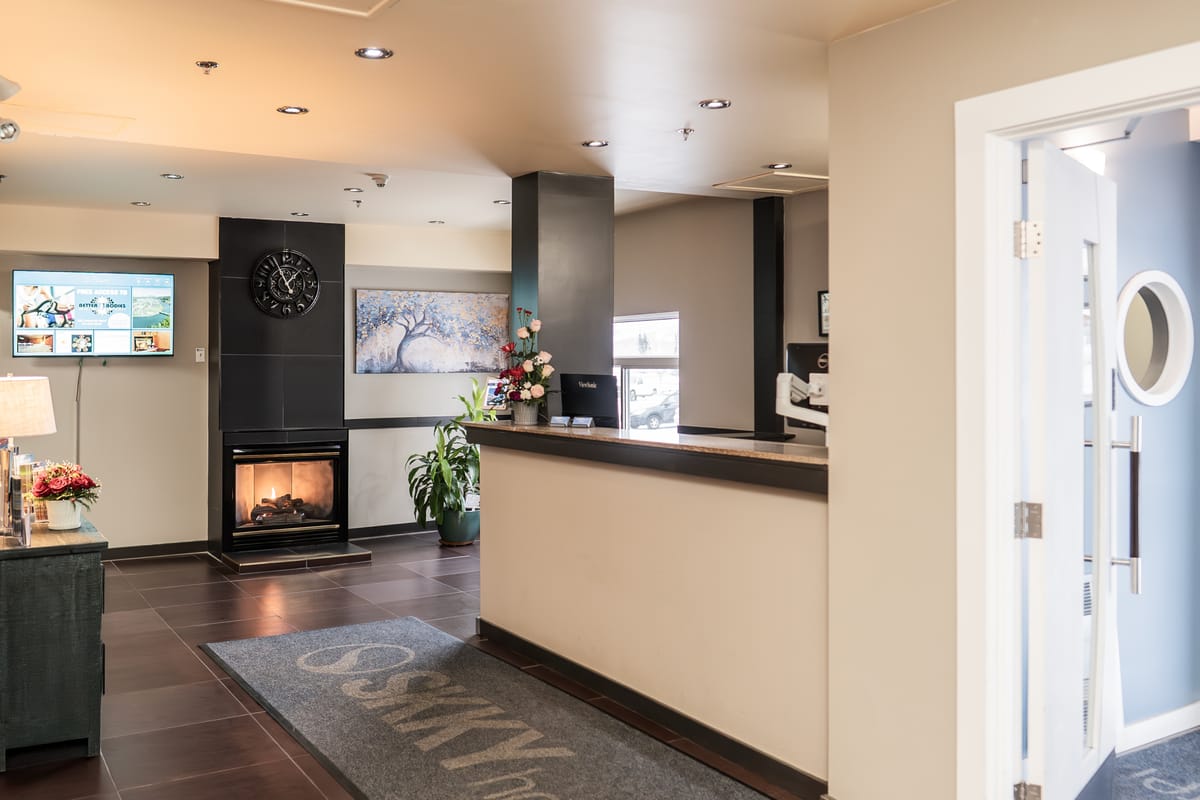
The case study shows the value of clear rate architecture, repeatable pace and pickup reporting, and firmer controls around corporate and group agreements. For independent hotels, that is the real lesson. Pricing discipline is not stubbornness. It is structured decision-making. When the market gets noisier, well-defined thresholds, cleaner reporting, and stronger contract terms make it easier to protect rate integrity without losing operational control.
Data Point of the Week: Despite the new Hyatt supply, SKKY still posted ADR growth of 4.5 percent year over year in 2025.
Operations and Leadership Insight
“A hotel check-in system left more than 1 million customer passports, driver’s licenses, and selfie verification photos to the open web after a security lapse.”
— TechCrunch
The Tabiq exposure reported by TechCrunch should get the attention of every hotel operator using digital check-in, ID scanning, or third-party verification tools. This was not described as a sophisticated attack. It was an exposure tied to a publicly accessible storage bucket. That distinction matters.
Hotels are increasingly asked to trust vendors with the most sensitive information in the guest journey. So the due-diligence question cannot stop at features. Ask where identity documents are stored, how access is controlled, what retention rules apply, and who is responsible when something goes wrong. For leadership teams evaluating new systems, this is the uncomfortable but necessary counterweight to the current rush toward AI-enabled operations. Convenience has to clear a much higher bar when passports and driver's licenses are involved.
Media Recommendation
Mews' Matt Talks Hospitality: “AI and other key trends changing hospitality in 2026 with Wouter Geerts” is worth a listen this week because it stays practical about where hotel technology is likely to matter next. The most useful point is not that AI will touch hospitality. We already know that. It is that the next real impact is likely to show up in the messy day-to-day operating work of hotels rather than only in polished guest-facing demos. If you are thinking about PMS changes, automation, or where to place tech bets over the next year, this is a grounded conversation.
Destination or Hotel Spotlight

Set beside London’s bustling Liverpool Street Station, Andaz London Liverpool Street is one of the city’s most compelling examples of how a historic hotel can successfully blend heritage with modern lifestyle hospitality. Originally opened in 1884 as the Great Eastern Hotel, the property preserves its grand Victorian architecture while incorporating contemporary East London design, local artwork, and vibrant social spaces throughout the hotel. For hoteliers, the property stands out as a strong case study in experiential hospitality, with multiple restaurant and bar concepts, creative event venues, and a guest experience designed around personalization rather than traditional luxury formality.
The hotel’s location places guests at the crossroads of London’s financial district and the trendy Shoreditch neighbourhood, making it equally attractive to business and leisure travellers. Its extensive meeting and event facilities, including the striking 1901 Ballroom and a restored Masonic Temple, have helped position the property as a major player in London’s meetings and events market. Combined with strong sustainability initiatives, thoughtful design, and a highly localized approach to food, beverage, and culture, Andaz London Liverpool Street demonstrates how independent-style storytelling within a global brand can drive guest engagement, ancillary revenue, and long-term brand loyalty.
Closing Reflection
The best-run hotels are rarely the loudest. They are the ones where the systems hold, the team stays steady under pressure, and commercial decisions remain disciplined even when the market shifts around them. This week’s themes all point back to the same reality: long-term hotel performance is built on operational resilience.
A PMS migration that goes smoothly, a rate strategy that withstands new competition, or a guest-data process that avoids becoming tomorrow’s headline are not isolated wins. They are the result of clear standards, strong partnerships, and leadership teams willing to focus on fundamentals while the industry races toward the next trend.
Hospitality technology will continue evolving quickly, especially as AI tools accelerate experimentation across the industry. But the hotels that outperform over time will not necessarily be the ones adopting the most technology. They will be the ones implementing the right systems with operational clarity, commercial discipline, and enough structure to scale without losing control.
In a market full of noise, consistency is still a competitive advantage.